
Aluminium in Architecture
The rapid growth of urban populations has driven cities to expand their physical boundaries at an almost geometric rate. As cities have grown, architects and builders have increasingly used aluminium in construction, incorporating it into everything from office building façades to ornamental trims, residential skylights, and decorative civic art. This widespread use of aluminium makes sense, as the material offers strength, lightweight durability, malleability, corrosion resistance, and recyclability. These properties make aluminium an ideal choice for urban construction, where long-term exposure to the elements demands sturdy and resilient materials in a variety of forms.
The Remarkable Properties of Aluminium
Strong and Lightweight
Aluminium’s high tensile strength, though not as robust as steel, makes it an excellent choice for architectural and structural applications. At the same time, aluminium is three times lighter than steel, making it the perfect alternative for projects requiring a lightweight material that doesn’t compromise on strength.
Malleable
As one of the most abundant and malleable metals on Earth, aluminium can be shaped into intricate designs, offering architects endless creative possibilities. Its versatility makes it a go-to material for applications ranging from rainscreen roofs to canopies and beyond.
Corrosion-Resistant
Aluminium resists corrosion far better than many other metals, including steel, as it is inherently rust-proof. This durability makes aluminium a favourite among architects and contractors, allowing structures to endure various weather conditions with little to no maintenance.
Recyclable
Although abundant, aluminium requires significant energy to mine and process. Fortunately, the metal is highly recyclable and retains its original properties—strength, durability, malleability, and resistance to corrosion—even after multiple recycling cycles. This makes aluminium a sustainable material that can be reused indefinitely.
Examples of Aluminium in Architecture
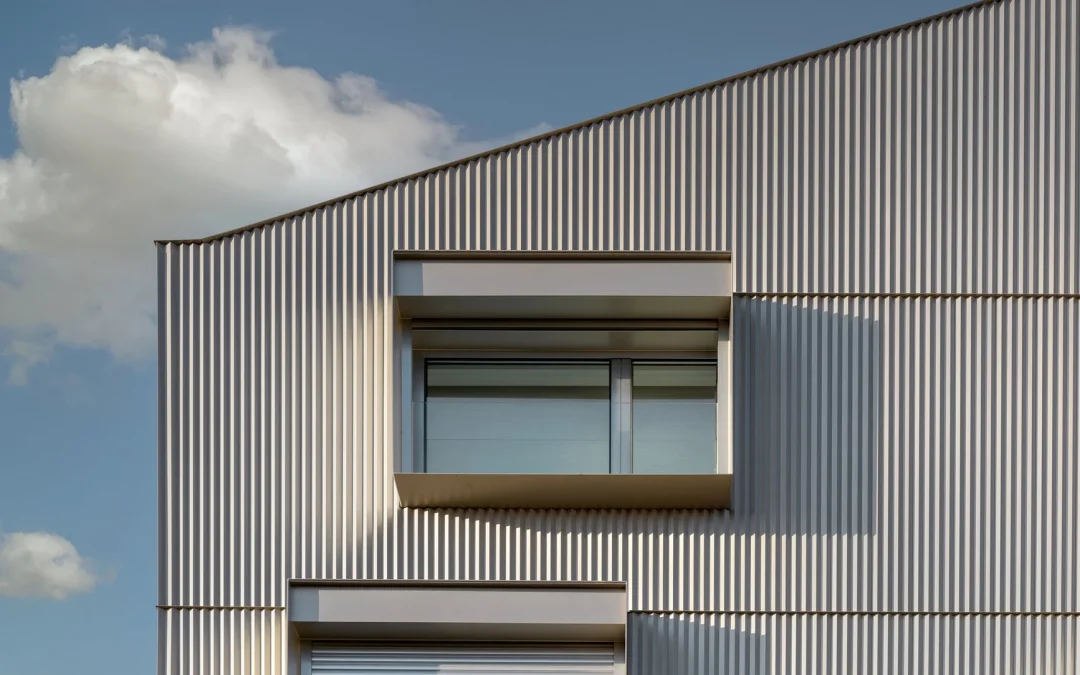
Aluminium’s practical and aesthetic qualities make it indispensable in modern architecture. Many civic and commercial buildings feature aluminium façades. This provides a striking reflective surface for offices, government facilities, and residential complexes. These façades reduce the structure’s weight and maintain their aesthetic appeal for decades without rusting.
Thanks to its malleability and lightweight nature, aluminium is also widely used in projects such as roofing and ceiling tiles. Beyond its structural advantages, aluminium enhances interior spaces by offering colourful and customizable options. All this makes it a popular choice for both functional and decorative purposes.
Architects and contractors appreciate aluminium’s versatility in design, as it can be formed into doors, windows, skylights, roofs, spandrels in arches, and ornamental trims. These products offer both durability and artistic flexibility. All this whilst ensuring structures remain visually appealing and structurally sound over time.
For more information about incorporating aluminium products into your architectural projects or to explore our range of aluminium products, contact Camino Contractors today.
Recent Comments